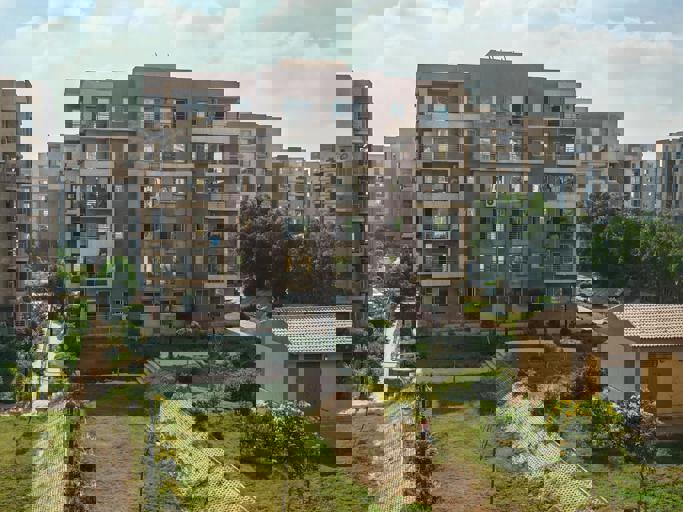
In recent years, apartment dwellers have sparked a remarkable trend by turning their balconies into thriving urban farms. With the high-density living common in Canadian cities, maximizing limited outdoor spaces has become not only a practical solution but also a creative one. Residents are increasingly adopting vertical gardening techniques, allowing them to cultivate a surprising variety of plants, herbs, and even vegetables in otherwise cramped quarters.
Vertical gardening, which involves growing plants upward on trellises, wall-mounted pockets, or stacked planters, addresses the challenges of space and sun exposure faced by many high-rise occupants. This method not only maximizes available area but also creates striking green oases hundreds of feet above street level. Balcony farmers report that even small south-facing balconies can yield a substantial amount of produce if managed carefully and creatively.
According to a recent survey by Urban Agriculture Canada, more than 1 in 5 apartment residents in major cities have experimented with some form of balcony gardening. The survey highlighted that vertical methods are especially popular among young professionals and families keen to enhance sustainability. Monica Lee, a resident of a downtown Toronto condo, shared, “I never thought I could grow tomatoes and peppers on my 8th-floor balcony, but vertical gardening has truly changed the way I use this space.”
One reason for the surge in balcony farms is the growing awareness of food security and the appeal of local, pesticide-free produce. As concerns about grocery store prices and supply chain disruptions persist, apartment dwellers are taking matters into their own hands—quite literally. Gardeners cite a sense of control and satisfaction in harvesting their own crops, even in a small-scale setting.
In addition to personal benefits, these balcony farms foster a sense of community among residents. Many high-rise gardeners are not only growing for themselves but also sharing their harvests with neighbors. Some buildings have even established informal produce exchanges or group chats to coordinate swaps, leading to deeper social connections. "There's a real camaraderie that springs up when you share your fresh herbs or lettuce with someone on another floor," says Aliyah Hussain, another enthusiastic gardener.
Experts note that vertical gardens are more than just an aesthetic choice. According to Dr. Samuel Burke, an urban horticulture researcher at the University of British Columbia, "These installations can help mitigate urban heat, improve air quality, and contribute to biodiversity in our cities." Vertical gardens also serve as natural insulators, potentially reducing energy costs for residents during summer months by shading windows and exteriors.
Despite the benefits, balcony gardeners face their share of challenges. Wind exposure, weight restrictions, and variable sunlight can complicate cultivation. Moreover, regulations in certain apartment buildings limit what can be placed on balconies for safety reasons. Omar Landrigan, a building manager in Montreal, advises residents to use lightweight planters and check with building rules before installing larger vertical systems, emphasizing, “Safety and structural integrity must always come first.”
The market has responded with an array of tools and products tailored for balcony farming, from compact irrigation systems to modular vertical planters designed for limited mobility and space. Home improvement stores across Canada report an increase in sales of these items, reflecting a broader shift toward home-grown food solutions. Additionally, online communities offer extensive advice and inspiration, helping newcomers avoid common pitfalls and maximize their harvest.
Local organizations and municipalities are also getting involved by offering workshops and resources for urban residents interested in balcony gardening. Initiatives in cities like Vancouver and Toronto promote seed-sharing programs and provide guidance on sustainable growing practices for apartment settings. These efforts not only support inexperienced gardeners but also reinforce broader municipal goals around green spaces and urban agriculture.
Looking forward, vertical balcony gardens could play a larger role in shaping future urban landscapes. As cities prioritize green infrastructure and residents continue to seek sustainable lifestyles, the balcony farm movement is likely to expand. For now, high-rise dwellers are discovering that with a little ingenuity, even the smallest outdoor spaces can blossom into impressive mini-farms—transforming balconies into sources of food, beauty, and community engagement high above the urban bustle.