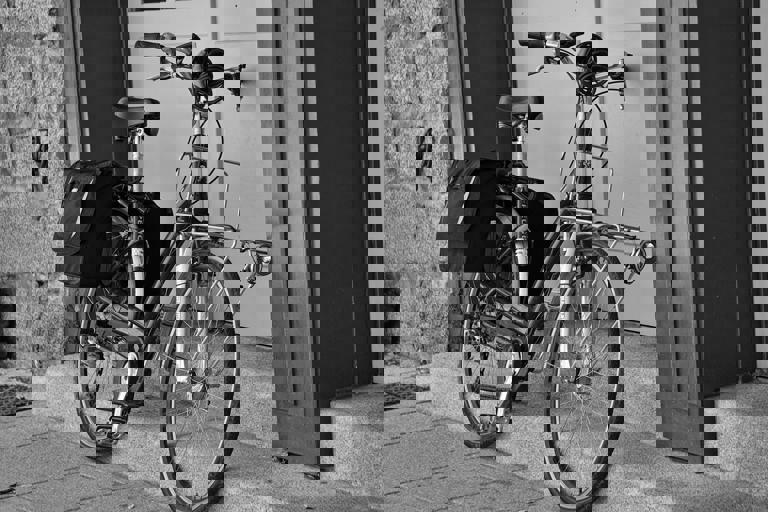
A surge in e-bike thefts across the city has prompted hardware stores to respond with record stock and sales of high-security bicycle locks. In recent months, residents have reported a worrying increase in stolen e-bikes, an issue that now dominates local conversations around urban transportation security. The phenomenon has caught the attention of both business owners and law enforcement, as more people rely on e-bikes for daily commutes and errands.
E-bike ownership has risen sharply in recent years, with city infrastructure and environmentally conscious policies encouraging cycling as a practical alternative to driving. However, as e-bikes grow more popular, so does their appeal among criminals. The financial value of an e-bike, often several times that of a traditional bicycle, makes them an attractive target. Thieves have become more organized and more sophisticated in their methods.
Hardware stores have witnessed a significant spike in the demand for heavy-duty locks, chains, and anti-theft devices. Mark Chen, manager at City Hardware, notes, "Our sales of high-security U-locks and smart locks have doubled compared to this time last year. Customers are requesting advice on the strongest, most reliable options available." This uptick has led retailers to expand their inventory and collaborate with suppliers to meet community needs.
The police department has also responded to the trend by increasing patrols in areas known for frequent bike thefts. Officers urge cyclists to register their e-bikes with authorities, making it easier to recover stolen vehicles when possible. "Unfortunately, e-bikes present a unique challenge because they are valuable and can be quickly dismantled or sold," explained Constable Maria Singh, emphasizing the importance of both preventive action and community awareness.
To address the wave of theft, some local advocacy groups have begun organizing workshops on secure parking and proper locking techniques. These educational initiatives aim to help cyclists make informed decisions about where and how to secure their e-bikes. Several events held in public parks and transit stations have drawn considerable crowds, indicating a widespread concern among residents.
Insurance providers are adapting too, introducing specialized policies for e-bike owners to cover theft and vandalism. According to Simon Leblanc, an insurance agent specializing in personal mobility coverage, claims for stolen e-bikes have tripled since last fall. "We're seeing more people interested in coverage. They want protection, knowing the cost of replacement can be significant," Leblanc explained.
Local businesses that rely on e-bike deliveries, such as courier companies and food services, are feeling the impact as well. With delivery staff now urged to use better locks and secure parking locations, some companies have even invested in GPS tracking devices for their fleet. John Mitchell, operations manager for QuickEats Delivery, says, "We can't afford to have our e-bikes stolen. Prevention is a top priority for our team."
City council is currently reviewing possible regulatory measures to deter theft and enhance public safety. Proposals include increasing surveillance in known hot spots, introducing more secure bike parking stations, and launching a public awareness campaign on theft prevention. "Urban mobility depends on trust and safety. We have to support cyclists with robust infrastructure and policies," noted Councillor Elise Dubois at a recent meeting.
Social media platforms and community boards are playing a growing role in the fight against theft. Residents regularly post updates about stolen e-bikes, share surveillance footage, and warn neighbours about suspicious activities. This grassroots communication network often leads to stolen bikes being spotted or recovered. Citizen involvement is proving invaluable, supplementing official efforts by police and city officials.
Retailers are capitalizing on the trend by offering bundled packages that include locks, insurance information, and maintenance tools. Some shops report that e-bike shoppers are increasingly prioritizing security features alongside performance and price. "People want peace of mind. They ask about lock ratings even before asking about battery life or speed," observed Julie Tran, owner of a popular cycling store.
Educational campaigns in local schools and community centres have been introduced to teach youth the importance of bike security. With many students now riding e-bikes, teachers and parents are encouraging responsible practices such as always locking bikes in visible areas and recording serial numbers. These proactive steps aim to reduce theft and instill good habits early among the city’s youngest riders.
Looking ahead, it remains to be seen whether the collective response—ranging from improved hardware to shared information and stronger policy—will successfully curb e-bike thefts in the long run. For now, both hardware stores and residents remain vigilant, knowing that the fight against theft will require sustained effort and cooperation. As cycling continues to transform urban life, the importance of security will be a pressing issue for years to come.